An unruly body for My Peptide Solution
I admire elegant peptide chemistry. Muscle, fat, hormones and desire make the answers wonderfully untidy.
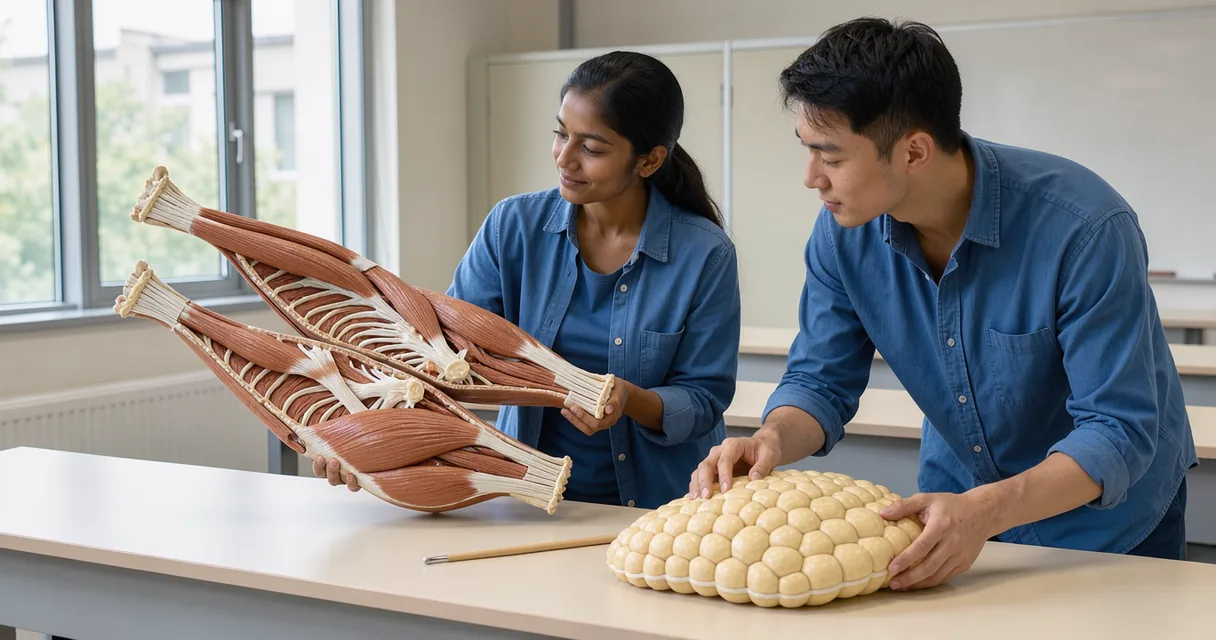
Muscle and fat
In a 2024 MOTS-c experiment, the same molecular target behaved differently in muscle and fat. CK2, an enzyme that helps control other proteins, was activated in muscle and suppressed in fat. The work used mice and cell-free tests; muscle took up more glucose and resisted wasting.
That seems a marvellous complication to me. A phrase such as metabolic support can suggest turning one useful dial upwards. Here, different tissues answered in opposite directions. Even the promising result came with an argument inside it.
The word solution invites a tidy ending. A body has several jobs underway at once, though, and changing one signal can reach beyond the problem that first attracted attention. I believe that disagreement deserves space in any account of metabolic support. The MOTS-c experiments are a good place to begin.
Repair, hormones, desire and weight
Peptides are short chains of amino acids, the building pieces of proteins. That shared chemistry brings this group together; their experiments soon pull it apart.
With BPC-157, a severed rat Achilles tendon healed with better mechanical and functional recovery. The interesting question extends beyond whether cells grew: did the repaired tissue do its job? The repair page follows that experiment into blood-vessel research and the much smaller human record.
CJC-1295 prolonged a hormone signal, yet the pulses of growth hormone continued. PT-141 improved desire in women with a defined disorder, while a separate hamster experiment found no increase in sexual reward. Those findings concern different species and different questions. Their awkward fit is more illuminating than a broad claim about vitality.
Then there is tirzepatide: large human weight losses in a direct comparison, alongside stomach and bowel effects and other safety questions. Evidence strong enough to establish a benefit also makes some of its costs easier to see. The comparison puts each result beside the particular problem studied.
Website login
My Peptide Solution is open to read without an account. There is no website login or patient portal here. The about page explains the site's purpose; the study list contains the published sources behind the essays.
MOTS-c
Muscle, fat and an enzyme called CK2. The mouse findings become more interesting when the tissues disagree.
Muscle and energy →CJC-1295
An albumin-binding design kept a growth-hormone signal going for days. The gland still released hormone in pulses.
Hormones over time →PT-141
Desire, distress and sexual reward were measured in different experiments. Bremelanotide has a narrow approved use and a substantial nausea problem.
Desire and reward →BPC-157
Tendon strength and small blood vessels made repair measurable in animals. The human studies leave much more unresolved.
Tendons and blood supply →Tirzepatide
Weight and blood sugar changed in large trials. The treatment also brings common digestive effects and specific safety warnings.
Weight and tolerability →