Tirzepatide: weight loss and tolerability
Here the large human trials really do show substantial changes. They also make the costs of an effective treatment harder to overlook.
Two gut-hormone signals
Tirzepatide is a synthetic peptide of thirty-nine amino acids that activates GIP and GLP-1 receptors. These gut-hormone pathways help regulate insulin, appetite and the handling of a meal. An albumin-binding fatty component prolongs the drug's time in blood. The clinical reference chapter on tirzepatide describes the dual mechanism and its type 2 diabetes use.
Dual signalling is an ingenious bargain, I think: one molecule recruits two pathways. It also affects several processes at once, including slowing stomach emptying. Appetite changes and digestive discomfort therefore appear in the same account of the drug rather than in separate biological stories.
Current approved uses cover type 2 diabetes, chronic weight management in adults with obesity or overweight plus a related condition, and moderate to severe obstructive sleep apnoea in adults with obesity. Type 1 diabetes remains outside approval. Each indication has its own population; none of those labels provides a personal treatment decision.
SURMOUNT-5: the direct weight comparison
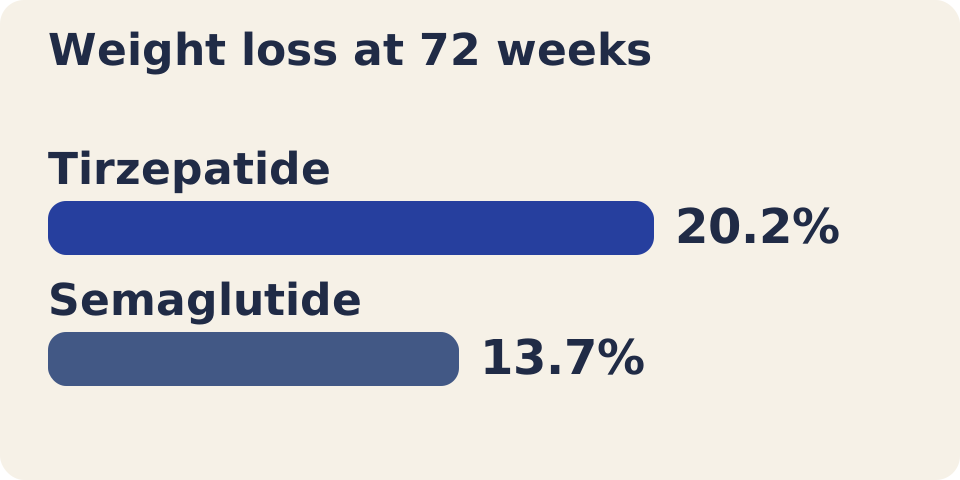
The 72-week SURMOUNT-5 trial enrolled 751 adults with obesity and without type 2 diabetes. Participants received tirzepatide or semaglutide at their maximum tolerated study amount. Mean weight loss was 20.2% with tirzepatide and 13.7% with semaglutide. It was an open-label comparison, so participants and staff knew which treatment was given.
These are large changes in people, which earns this result more confidence than the animal work elsewhere here. They remain group averages for a defined population and duration. My reluctance begins when either bar becomes a forecast for one person.
SURMOUNT-1 and SURPASS-2
The placebo-controlled SURMOUNT-1 trial enrolled 2,539 adults with obesity or overweight plus a weight-related complication, without diabetes. At 72 weeks, mean weight losses were 15.0%, 19.5% and 20.9% across the study groups, compared with 3.1% on placebo. Gastrointestinal effects were the most common adverse events and occurred mainly during study dose escalation.
The 40-week SURPASS-2 trial asked a blood-sugar question in 1,879 adults with type 2 diabetes. HbA1c, a measure of blood sugar over recent months, fell 2.01-2.30 percentage points with tirzepatide versus 1.86 percentage points with the semaglutide comparator. Weight also fell more with tirzepatide.
The trials answer related questions with different participants. The diabetes result earns its force from that patient group and outcome, just as the obesity trial earns its force from its own comparison. Combining their names into a general metabolic claim would lose useful precision.
Gallbladder, pancreas and label warnings
The safety review of nine randomised trials, covering 9,871 participants found a significantly increased combined outcome of gallbladder or biliary disease. Pancreatitis did not show a statistically significant increase in that analysis. Individual components of the combined gallbladder outcome also failed to reach statistical significance on their own.
That is a less convenient sentence than saying the drug causes gallbladder disease or clears the pancreas of concern. It is also more faithful to what the analysis could distinguish. I respect the large efficacy results without treating a large study programme as complete knowledge of risk.
The clinical safety summary describes the boxed warning about thyroid C-cell tumours, based on rodent findings. Human relevance remains uncertain. The contraindication covers a personal or family history of medullary thyroid carcinoma or MEN-2. Common nausea, vomiting, diarrhoea and constipation can limit tolerability; severe fluid loss also raises dehydration concerns. Slow stomach emptying matters around anaesthesia and can alter absorption of oral medicines.
Appetite, lean mass, discontinuation
Community discussions often describe quieter food noise: less of the persistent urge to think about eating. They also include reports of energy, mood or sleep changes, taste aversions, stalled weight loss, digestive trouble and hair shedding. These personal accounts are anecdotal and cannot establish clinical effects or their frequency.
The broader safety record includes lean-mass loss during weight reduction and substantial weight regain after stopping treatment. Lean mass includes more than muscle, so a change in that measure needs care when discussing strength. Those are separate questions from how far the average weight curve fell.
The label solution feels most demanding here. The weight and blood-sugar benefits have substantial human evidence; tolerability, body composition and what happens after discontinuation still affect the value of those benefits. A clinician has to assess the whole situation. The comparison page shows how different that question is from the unanswered human questions around MOTS-c or BPC-157.